
Natural Gas vs. Other Energy Sources: What’s Right for Your Home?

Choosing the right energy source for your home isn’t always straightforward. While natural gas is a popular and widely used option, electricity and solar are gaining ground as homeowners look for efficiency, cost savings, and sustainability. But what actually makes sense for your home—and your budget?
If you’re thinking about switching energy sources or simply want to understand your options better, this breakdown of natural gas vs. other energy choices will help clear things up.
Affordability: Why Natural Gas Often Wins
Let’s start with the one thing most homeowners care about—cost. Natural gas is typically more affordable than electricity for heating and cooking, especially in areas with well-established infrastructure. As an example, natural gas prices in Savannah have remained relatively competitive, making it a budget-friendly choice for everyday home energy needs.
Electricity, on the other hand, tends to cost more per unit of energy and fluctuates depending on demand and generation methods. Solar can significantly reduce bills in the long term, but the upfront installation costs can be high unless incentives are available. For most homeowners, natural gas offers a good balance of price and performance, especially for heating-heavy homes.
Availability and Infrastructure
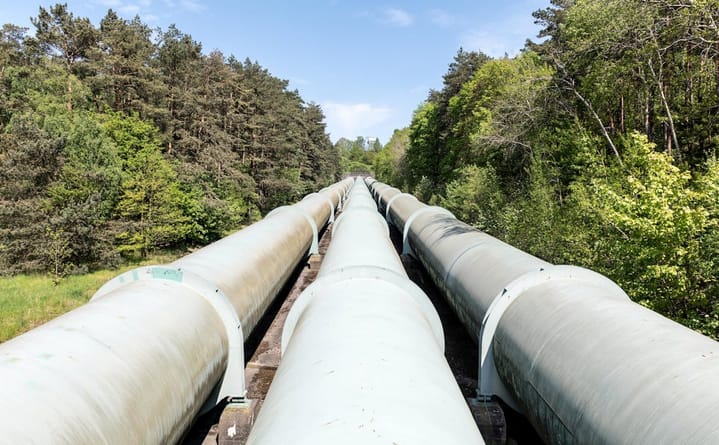
Natural gas isn’t available everywhere, and whether it’s an option for your home depends largely on your location. In urban and suburban areas, gas lines are typically already in place, making the switch or setup fairly easy. But in more rural settings, electricity may be the only consistent and accessible option. Solar energy is becoming more accessible nationwide, but its effectiveness depends on factors like roof orientation, shading, and local sunlight hours. If your home is in a sunny region and you plan to stay long-term, solar could be a worthwhile investment. Otherwise, sticking with a reliable utility like natural gas might make more sense in the short term.
Environmental Impact
If you’re concerned about your carbon footprint, it’s important to know how different energy sources compare. Natural gas is considered a “cleaner” fossil fuel—it produces fewer emissions than coal or oil, but it’s still not renewable. That said, it does offer an environmentally friendlier choice than some traditional sources. Electricity can either be clean or carbon-heavy, depending on how it’s generated. If your utility gets power from coal plants, using electricity may be worse for the environment than using natural gas. Solar energy is the clear winner here—once installed, it generates power with zero emissions. However, manufacturing and installing panels do have some environmental cost upfront.
Performance and Efficiency

Natural gas excels when it comes to high-performance home heating. Gas furnaces heat faster and often more efficiently than electric ones, making them ideal for colder climates. Gas stoves also offer better temperature control than electric ranges, which is why many chefs prefer them. Electric appliances, while slower to heat, are improving in efficiency and safety. Induction cooktops and modern heat pumps are strong contenders. Still, for immediate heating and reliable power during outages (especially with a gas-powered generator), natural gas remains a favorite.
Flexibility and Long-Term Use
Choosing the right energy source also depends on how long you plan to stay in your home. Natural gas systems are often less expensive to install than solar and easier to maintain than electric heat pumps. And in areas with competitive providers, you can shop around for the best rates and plans to suit your lifestyle. On the other hand, if you’re planning to live in your home for decades or want to future-proof it with sustainable tech, solar panels combined with battery storage could reduce your long-term energy costs and increase your home’s value.
Every energy source has its pros and cons. Natural gas is reliable, affordable, and efficient for many homes—especially in places where it’s already part of the infrastructure. Electricity offers broad availability and continues to evolve with greener technology. Solar, while a bigger upfront investment, offers unmatched sustainability and long-term savings.…


